How Saying Yes to Everything Is Slowly Bankrupting Your Creative Life
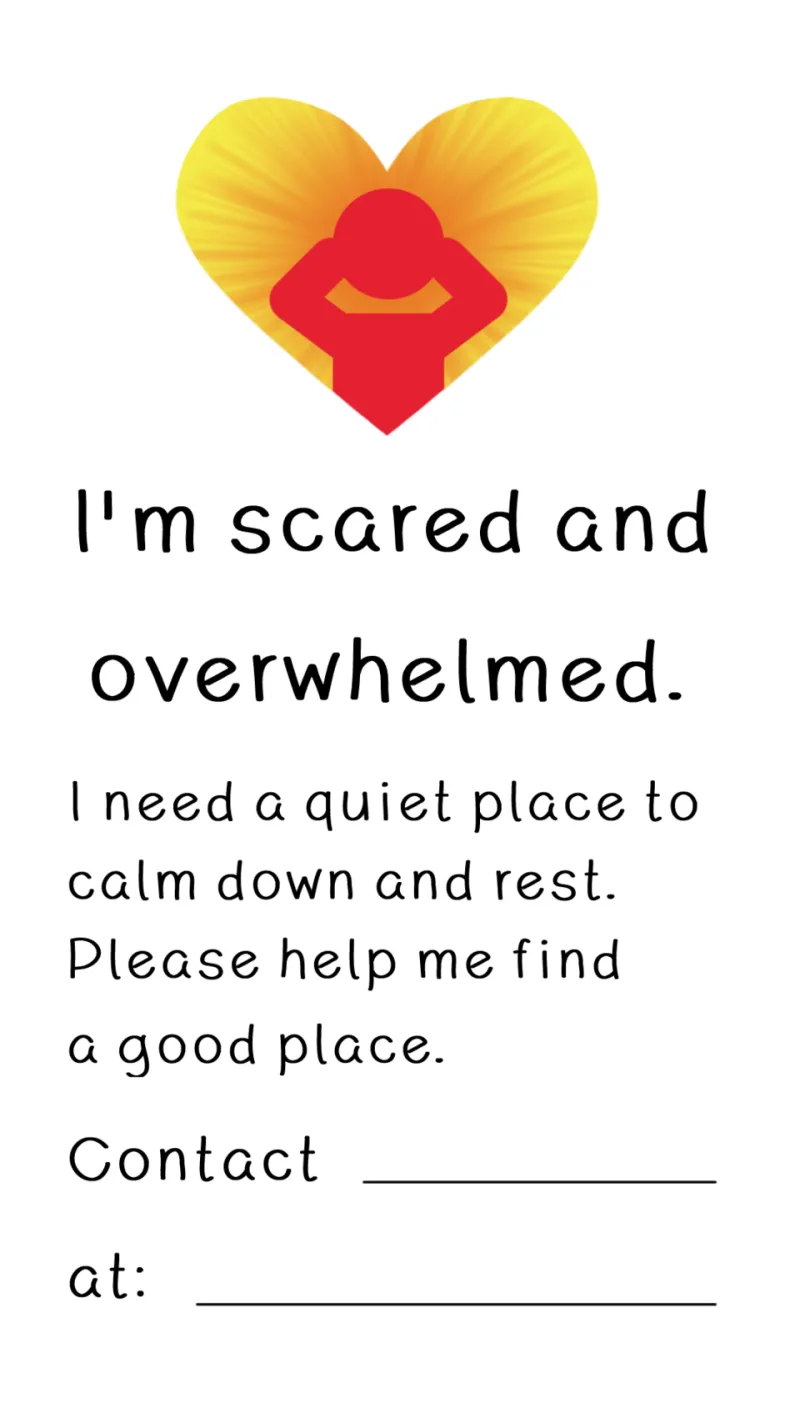
Photo: MissLunaRose12, CC BY-SA 4.0, via Wikimedia Commons
There's a version of you that exists six months from now. Maybe they're deep into the project that actually lights them up — the one that feels like it was built specifically for their brain. Or maybe they're burned out, scattered, and staring at a blank canvas wondering where all the good ideas went.
Which version shows up depends a lot on what you agree to today.
We talk about burnout like it's a sudden crash — some dramatic moment where the engine seizes. But for most creators, it's more like a slow leak. You say yes to the gig that's fine but not exciting. You take on the side project because someone asked nicely. You agree to the collaboration that sounds cool in theory but pulls you three degrees away from your actual work. None of these feel like big deals in isolation. But they add up. And what you end up with is something I've started thinking of as creativity debt.
What Creativity Debt Actually Looks Like
Financial debt is easy to understand — you borrow money now, you pay more later. Creativity debt works the same way, just with attention and energy instead of dollars.
Every project you take on costs something. Time, obviously. But also mental bandwidth, emotional investment, and the rarest resource of all: the kind of focused, unhurried headspace where your best ideas actually live. When you spread that across too many commitments, you're not just busy — you're overdrawn.
Here's how to tell if you're already in the red:
- You finish projects but feel nothing when they're done
- Your personal work keeps getting pushed to "next week"
- You're technically productive but creatively empty
- You can't remember the last time you were genuinely excited about something you made
- Every new idea feels like one more thing to manage, not an opportunity
That last one is the big tell. When possibility starts feeling like a burden, you're not just tired — you're operating at a deficit.
The Yes-Person Trap in Creative Fields
Creative industries have a specific culture around availability. Being easy to work with, flexible, always game for something new — these are treated like virtues. And to a point, they are. Rigidity doesn't serve anyone.
But there's a difference between being collaborative and being a pushover for your own calendar. A lot of creators — especially early in their careers — say yes compulsively because they're afraid of what saying no might cost them. A relationship. An opportunity. A reputation for being difficult.
What they don't account for is what saying yes costs them instead.
Every commitment you make to something that doesn't align with your vision is a commitment you're not making to something that does. That's not a neutral trade. It's a withdrawal from an account that doesn't replenish on its own.
And here's the part nobody talks about: the debt doesn't just affect your output. It affects your identity as a creator. When you spend enough time making things that don't feel like yours, you start to lose track of what yours even looks like.
How to Audit Your Creative Balance Sheet
Before you can dig out of the hole, you have to see how deep it goes. That means getting honest about what's actually on your plate and why it's there.
Try this: write down every active project, commitment, or creative obligation you currently have. Every single one — the client work, the personal projects, the collaborations, the things you said you'd look at "soon."
Now sort them into three buckets:
1. Core Work — Projects that directly reflect your vision, build your body of work, or move you toward something you actually care about. These are assets.
2. Necessary Work — Things that don't light you up but serve a legitimate purpose (paying the bills, maintaining important relationships, building skills you genuinely need). These are obligations, and honest ones.
3. Debt — Everything else. The projects you said yes to out of guilt, FOMO, or vague obligation. The stuff that's been "almost done" for three months. The collaborations that made sense at the time but have since drifted from anything you'd put your name on proudly.
That third column is your creativity debt. And the goal isn't to eliminate it overnight — it's to stop adding to it while you slowly pay it down.
A Framework for Ruthless Prioritization
Once you can see your debt clearly, the next step is building a filter so you stop accumulating more of it.
Before agreeing to anything new — a project, a collaboration, a favor, a pitch — run it through these three questions:
Does this move my work forward or just fill my time? Busy and productive are not the same thing. If the honest answer is that this project keeps you occupied without building toward anything, that's a red flag.
Would I be excited to talk about this in six months? Not just relieved it's done — actually proud of it, energized by it, glad you did it. If the answer is a lukewarm shrug, that's useful information.
What am I trading for this? Every yes displaces something else. Name the thing you're giving up. If you can name it clearly and you're still okay with the trade, maybe it's worth it. If you can't even articulate what you're sacrificing, that's a problem.
This isn't about becoming precious or difficult to work with. It's about being intentional with the finite creative energy you actually have.
Paying Down the Debt
Here's the uncomfortable part: getting out of creativity debt usually means having some awkward conversations. Letting things wind down. Saying a firm no to things that would have gotten an automatic yes six months ago.
It also means protecting the white space. Not filling every gap with a new project just because you technically have room. Some of the best creative work comes from the periods between obligations — when your brain finally has enough quiet to actually think.
The creators who consistently produce their best work over long careers aren't the ones who said yes to everything. They're the ones who got really good at knowing which yes was worth it.
You don't have to take every job. You don't have to join every collaboration. You don't have to be available for every ask. Your creative life is a resource, and you get to decide how it's spent.
Start treating it like one.